Engagement,
at the heart of places.
Contemporary hospitality connecting public life, local cultures and each guest's freedom in urban, coastal and mixed-use territories.
EPTT defines its identity, typologies, territorial references, architecture, programmes, operations and economic frameworks before the project.
Territory becomes an experience to live.
The city, coastline and integrated centres shape properties whose spaces take part in local life.
Hotels, restaurants, public spaces and private accommodation form hospitality open to its surroundings while allowing privacy to be preserved.
Urban
The neighbourhood as a place of encounter.
The hotel participates in the life of a contemporary city.
Dining, public spaces and architectural thresholds connect the property to neighbourhood rhythms. Privacy continues within the accommodation.
Optional branded apartments · up to 40% of total units.
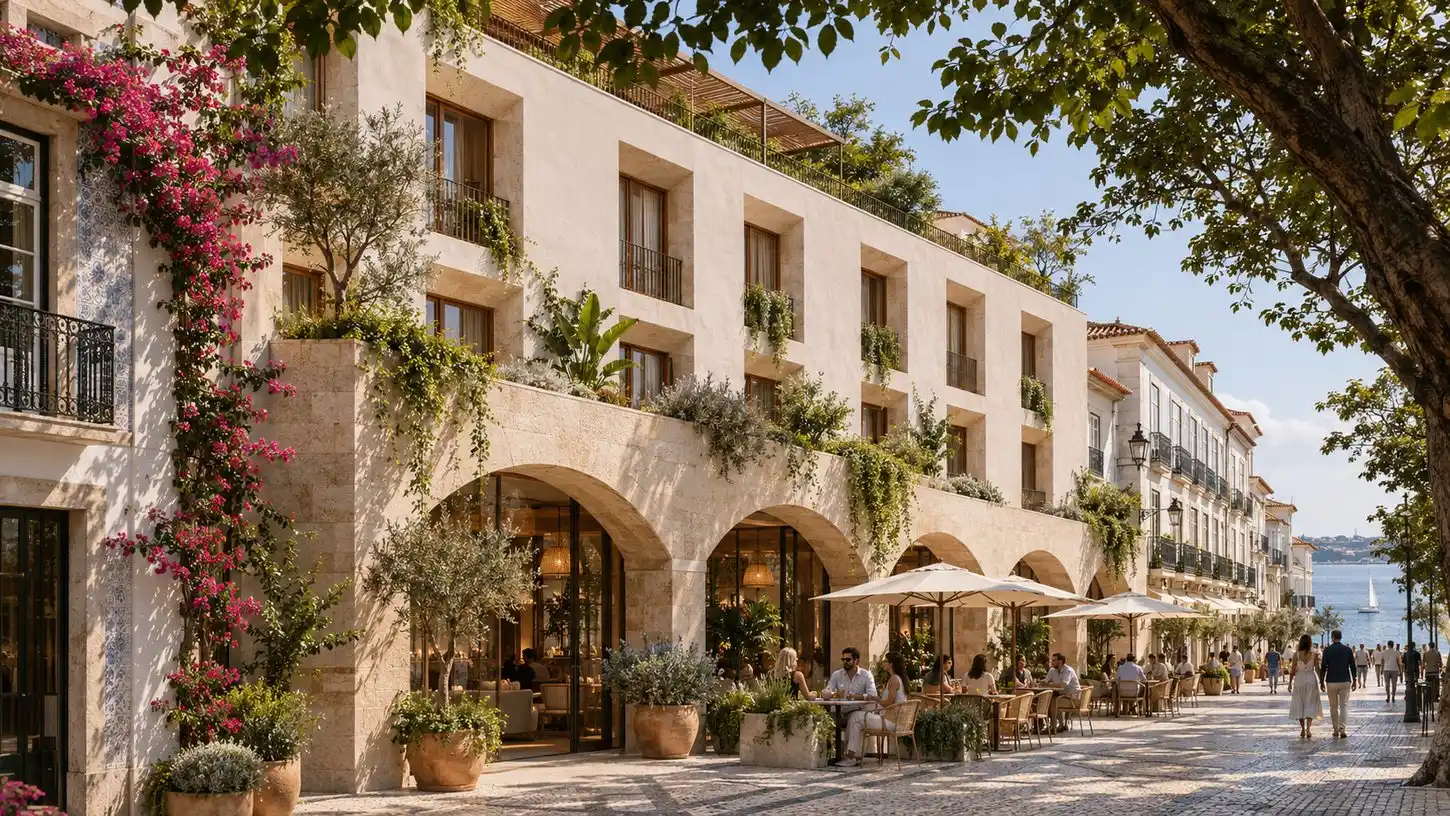
Urban
Hospitality to the rhythm of the city.
The building opens onto a lively centre.
Courtyards, arcades, terraces and restaurants welcome shared activities. The design naturally distinguishes public life from accommodation spaces.
Optional branded apartments · up to 40% of total units.
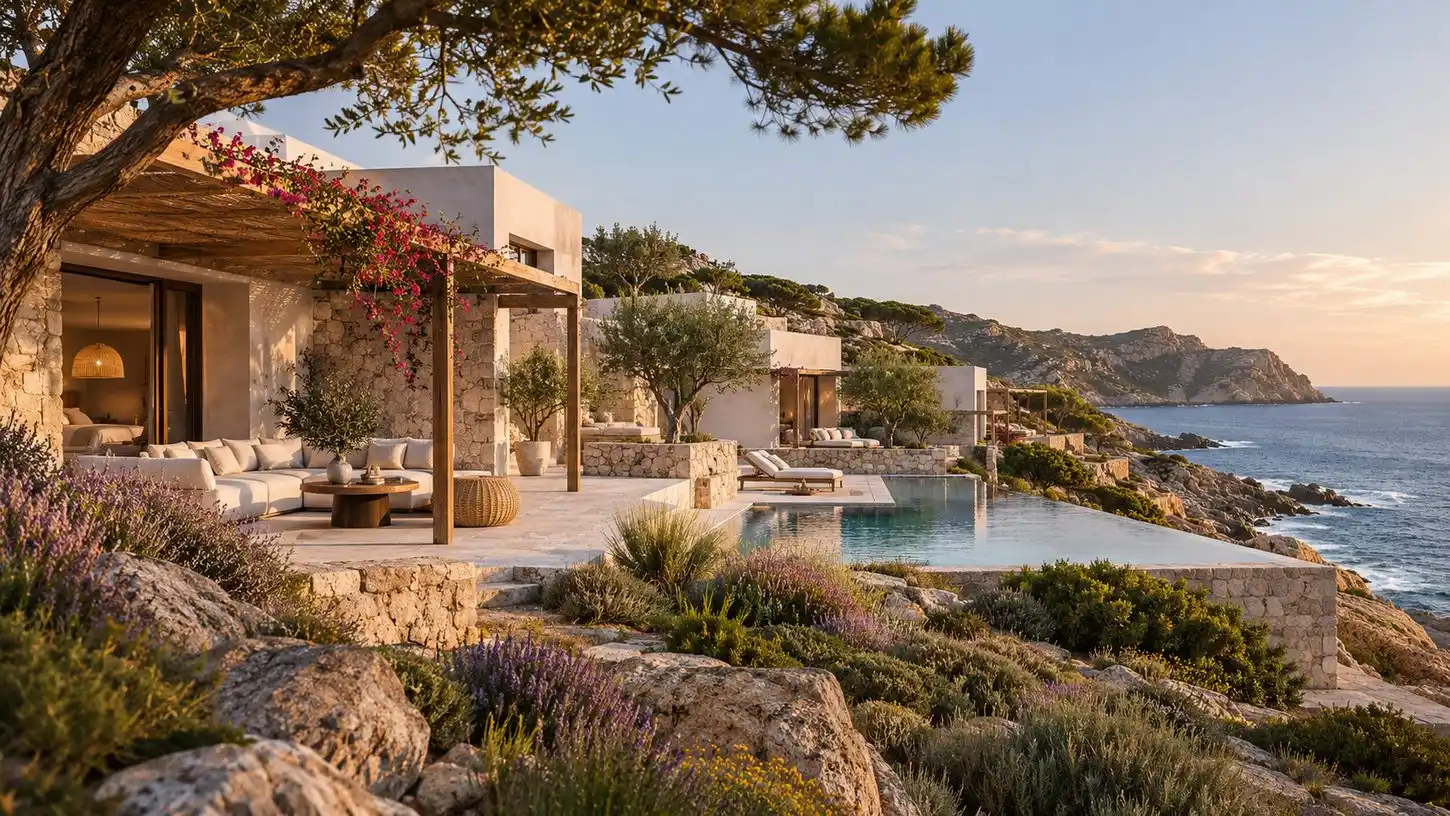
Coastal
The coast as an everyday experience.
Coastal life inspires hotel layout.
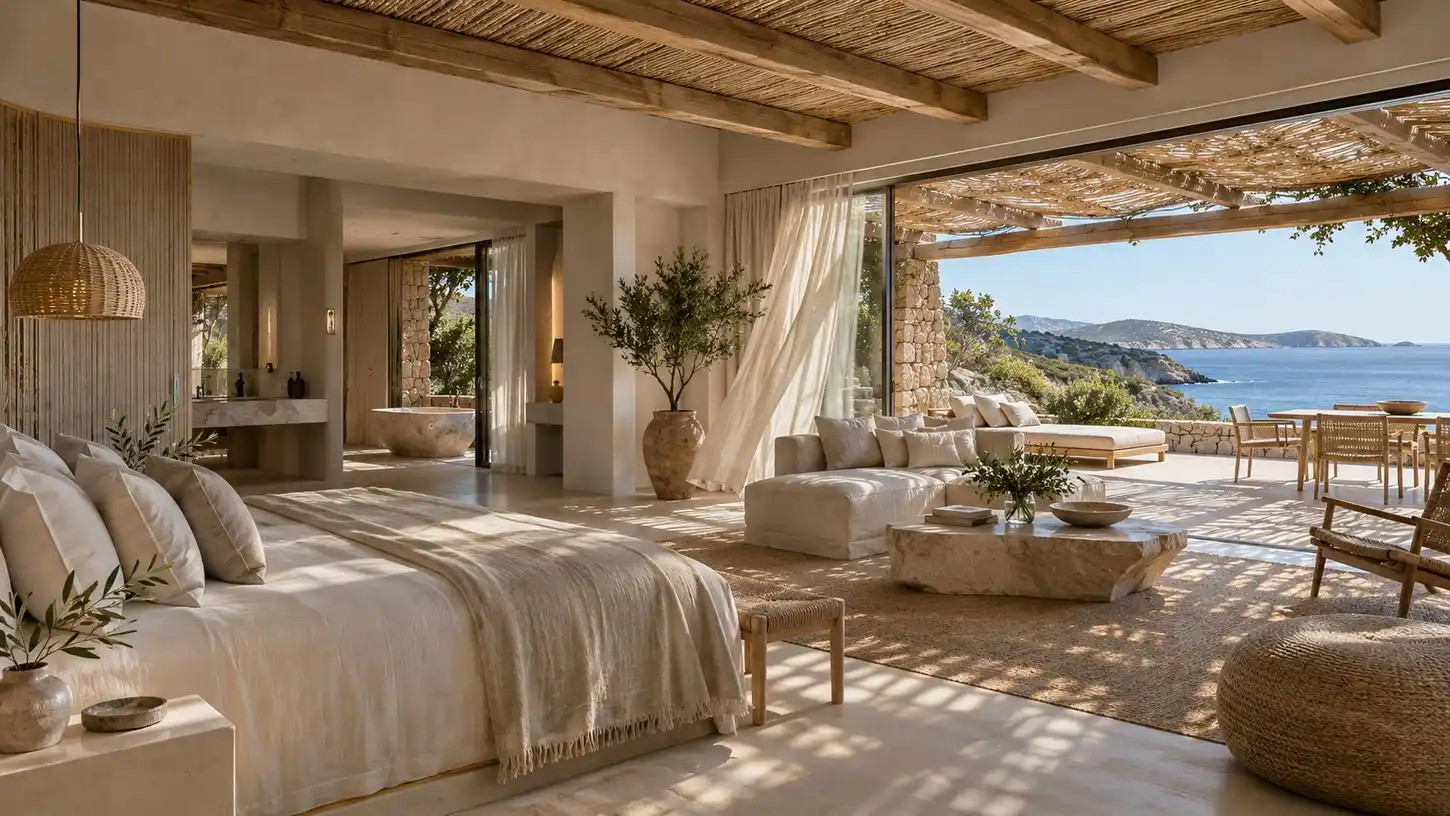
Architecture responds to terrain, climate and outdoor pathways. Rooms and suites have a direct relationship with coastal landscapes.
Optional branded residences · up to 30% of total units.
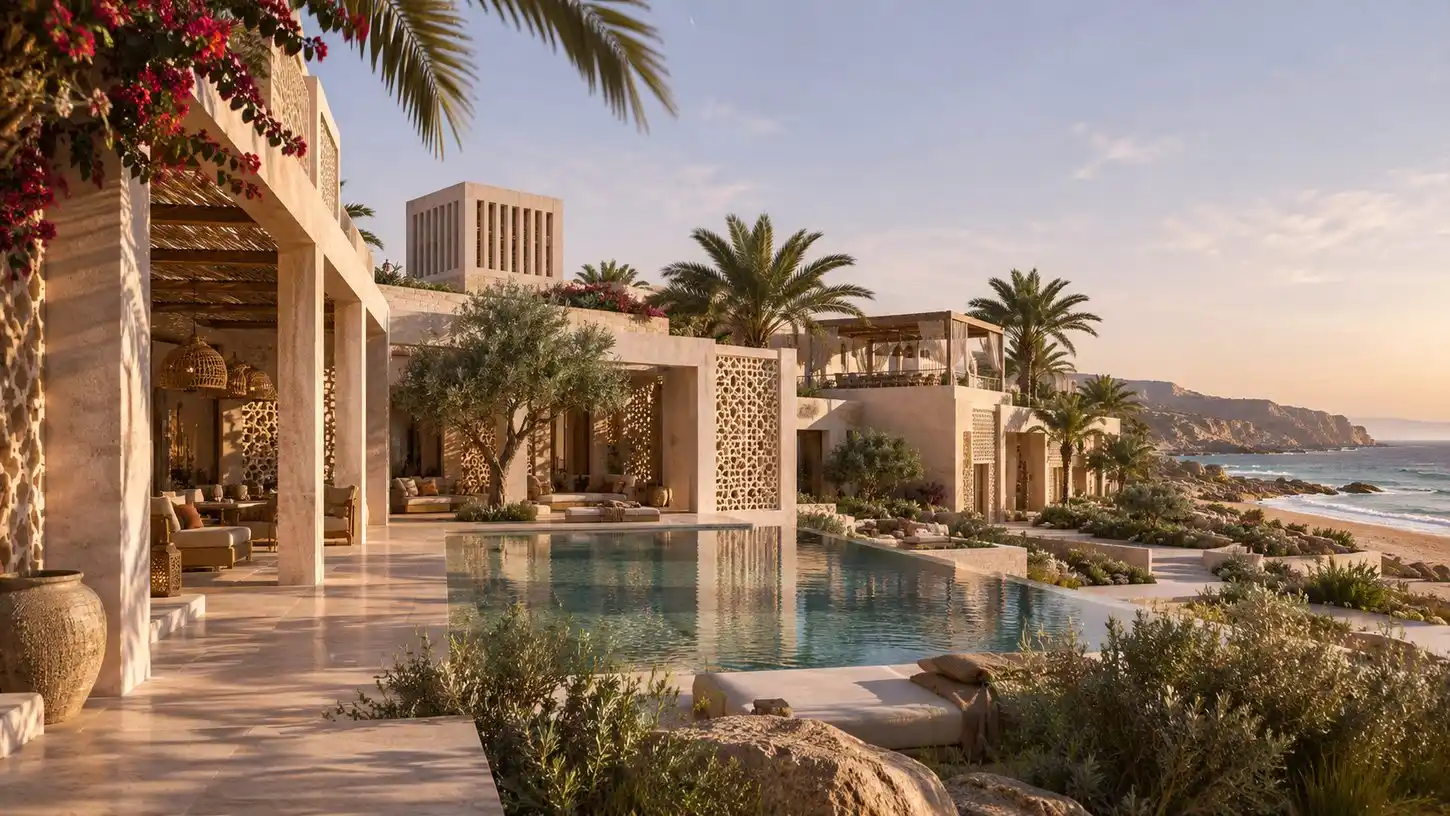
Coastal
Living with the climate, light and coast.
Open spaces follow the rhythms of the coast.
Terraces, gardens, dining and optional hospitality villas create a stay connected to the maritime environment.
Apartments and, depending on the configuration, branded residential villas · combined up to 30%.
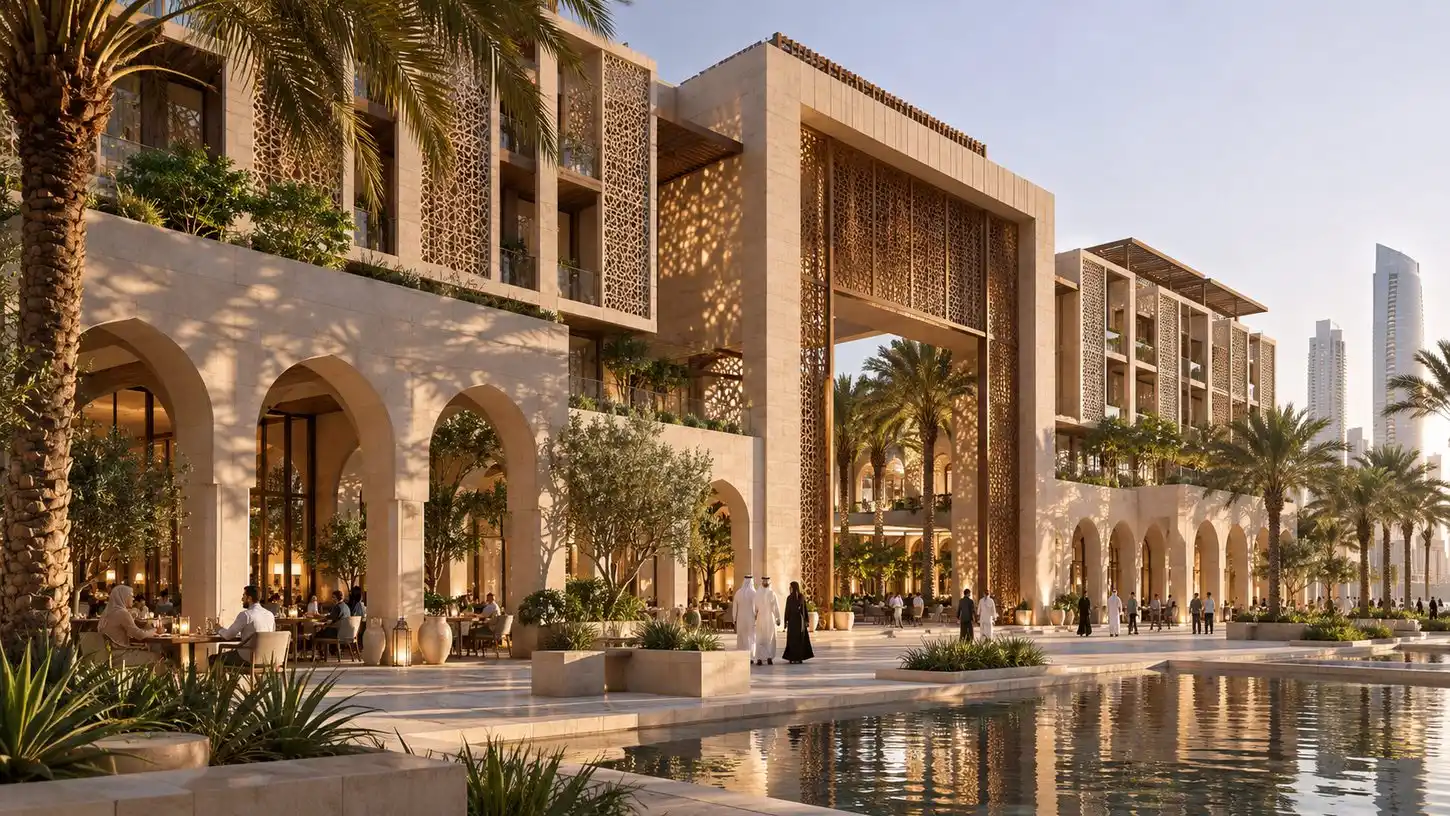
Mixed-Use
The hotel at the heart of a living place.
Several uses meet around a complete hospitality offer.
Dining, public spaces, culture and shops extend neighbourhood activity. The hotel provides the ensemble's identity and organization.
Optional branded apartments · up to 50% of total units.
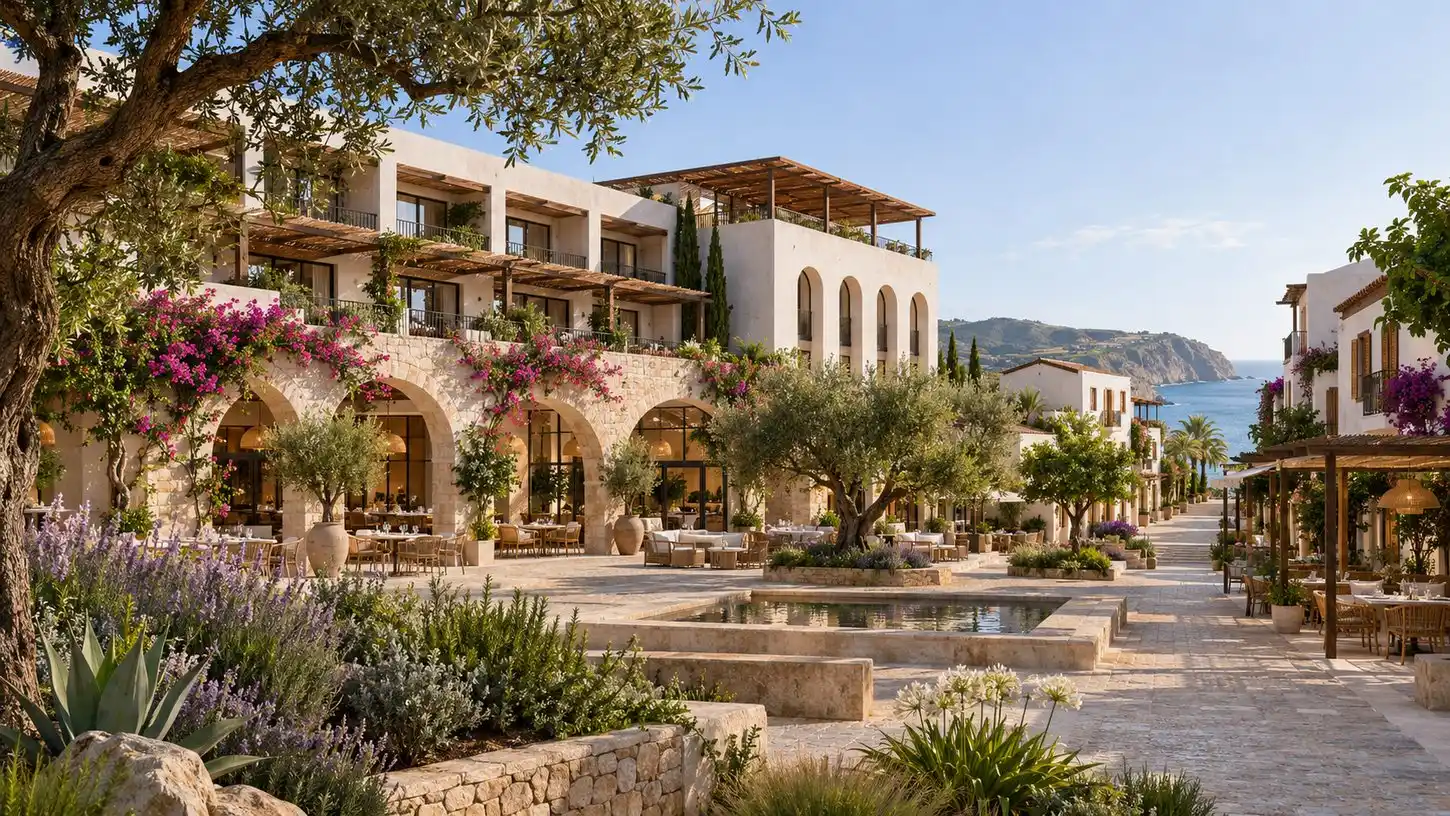
Mixed-Use
An urban centre enlivened by hospitality.
Architecture brings several functions together in a clear composition.
A hotel, restaurants, public spaces and complementary uses form a lively place. Circulation and services preserve the quality of each component.
Optional branded apartments · up to 50% of total units.
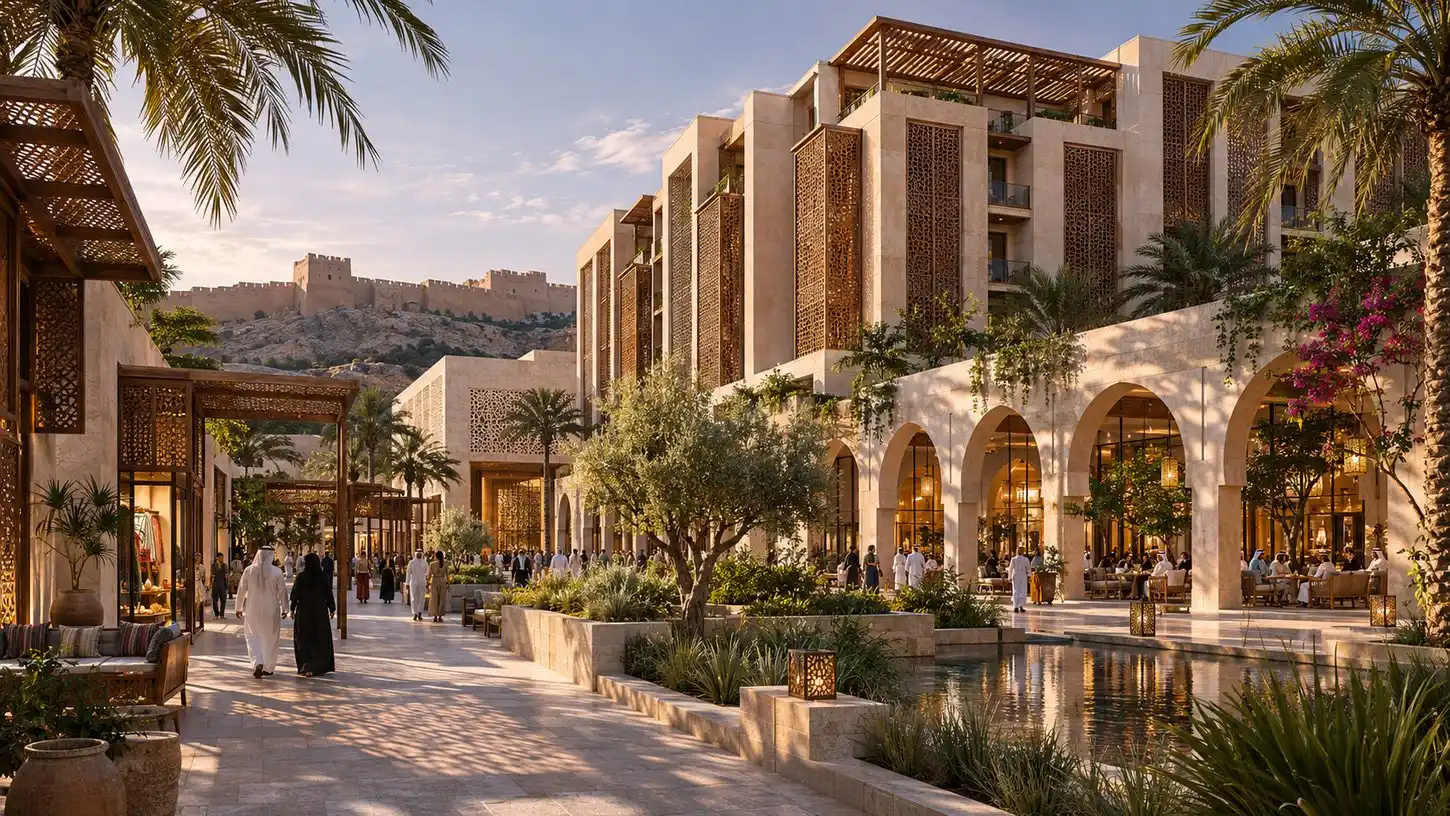
Urban
Hospitality in city life.
In European neighbourhoods and international cities, restaurants, terraces and open ground floors participate in residents' daily lives.
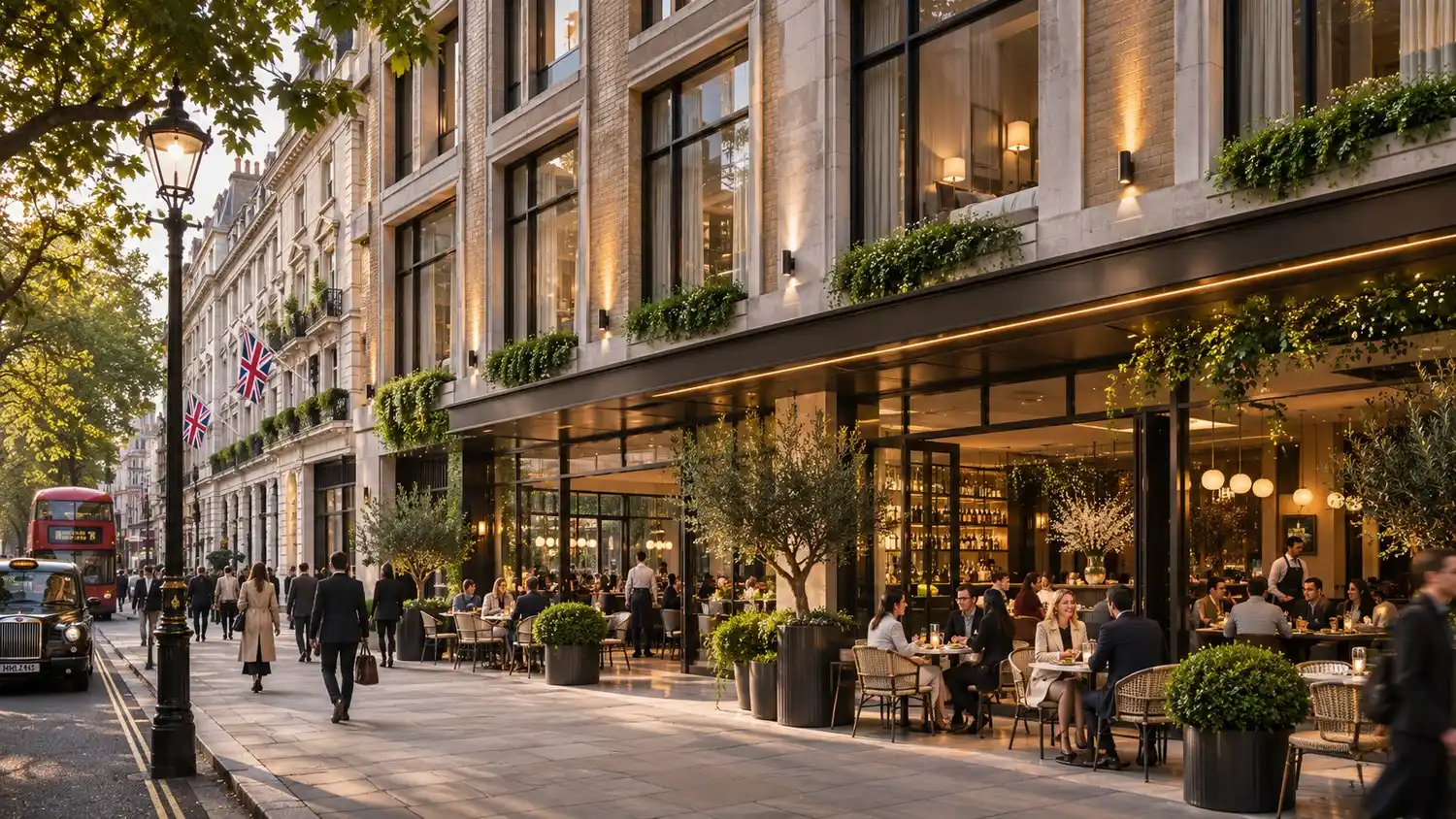
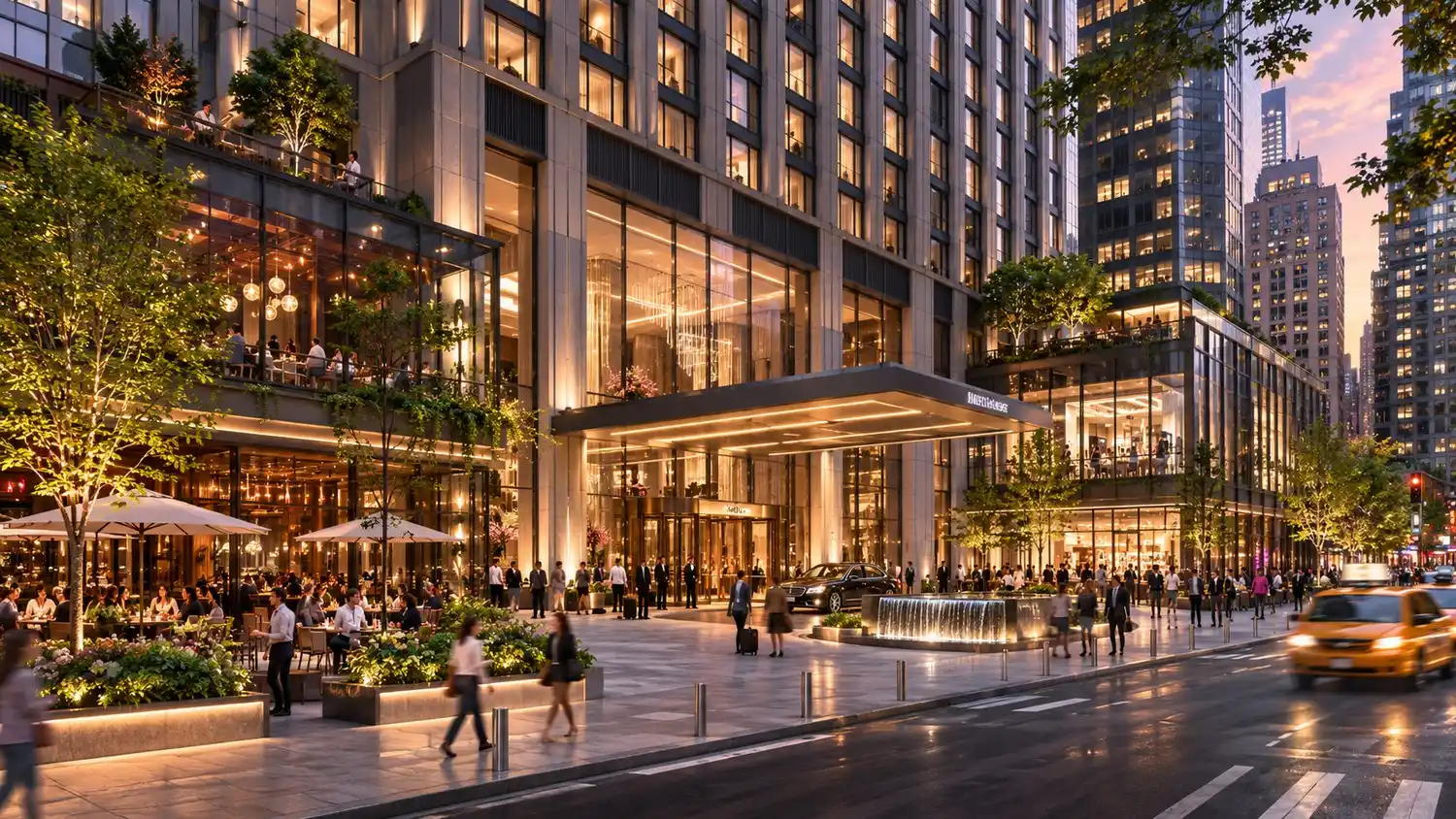
Mixed-Use
Places for meeting and services.
An integrated hospitality ensemble may combine hotel, dining, shops and public spaces within one lively centre.
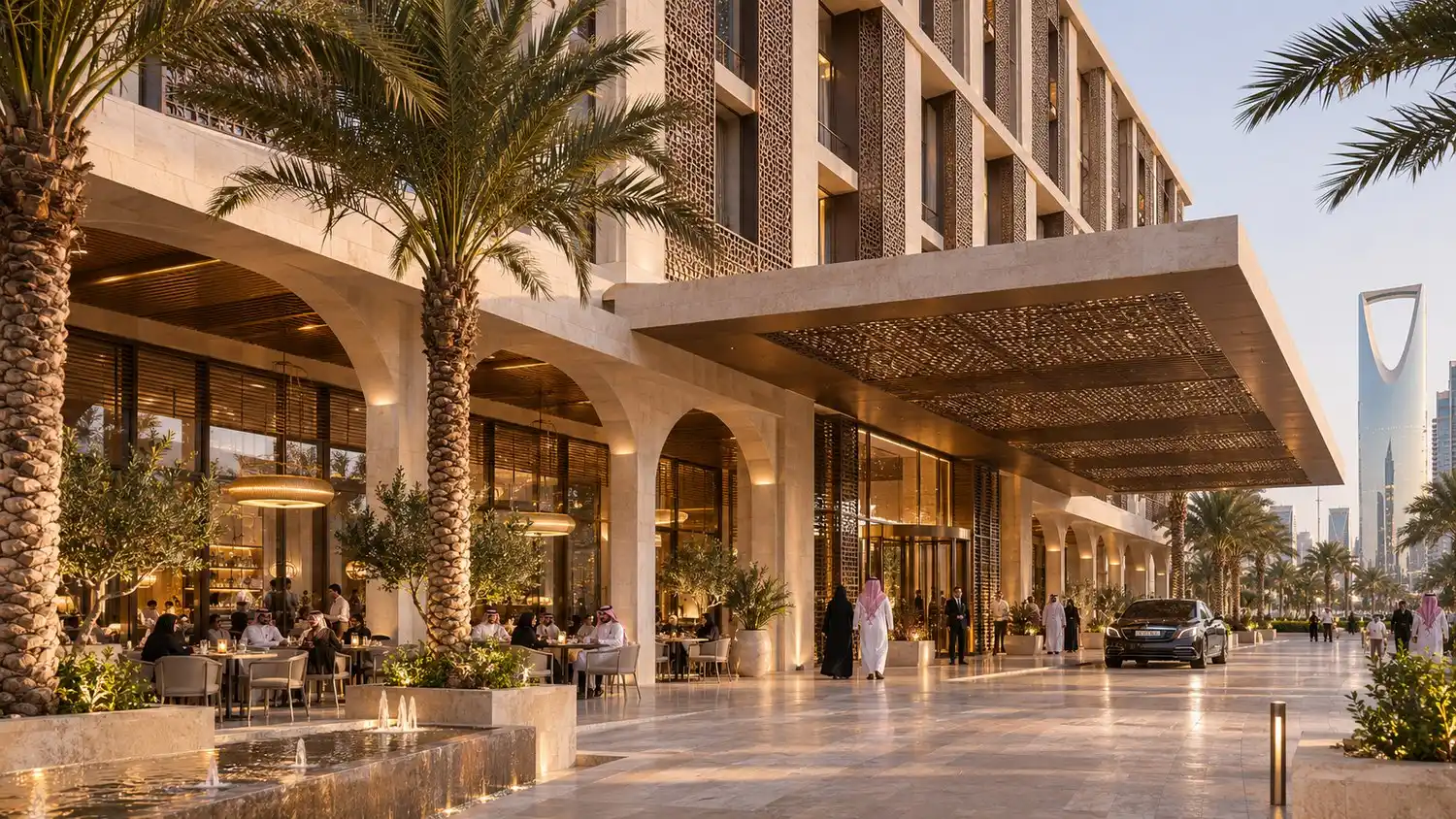
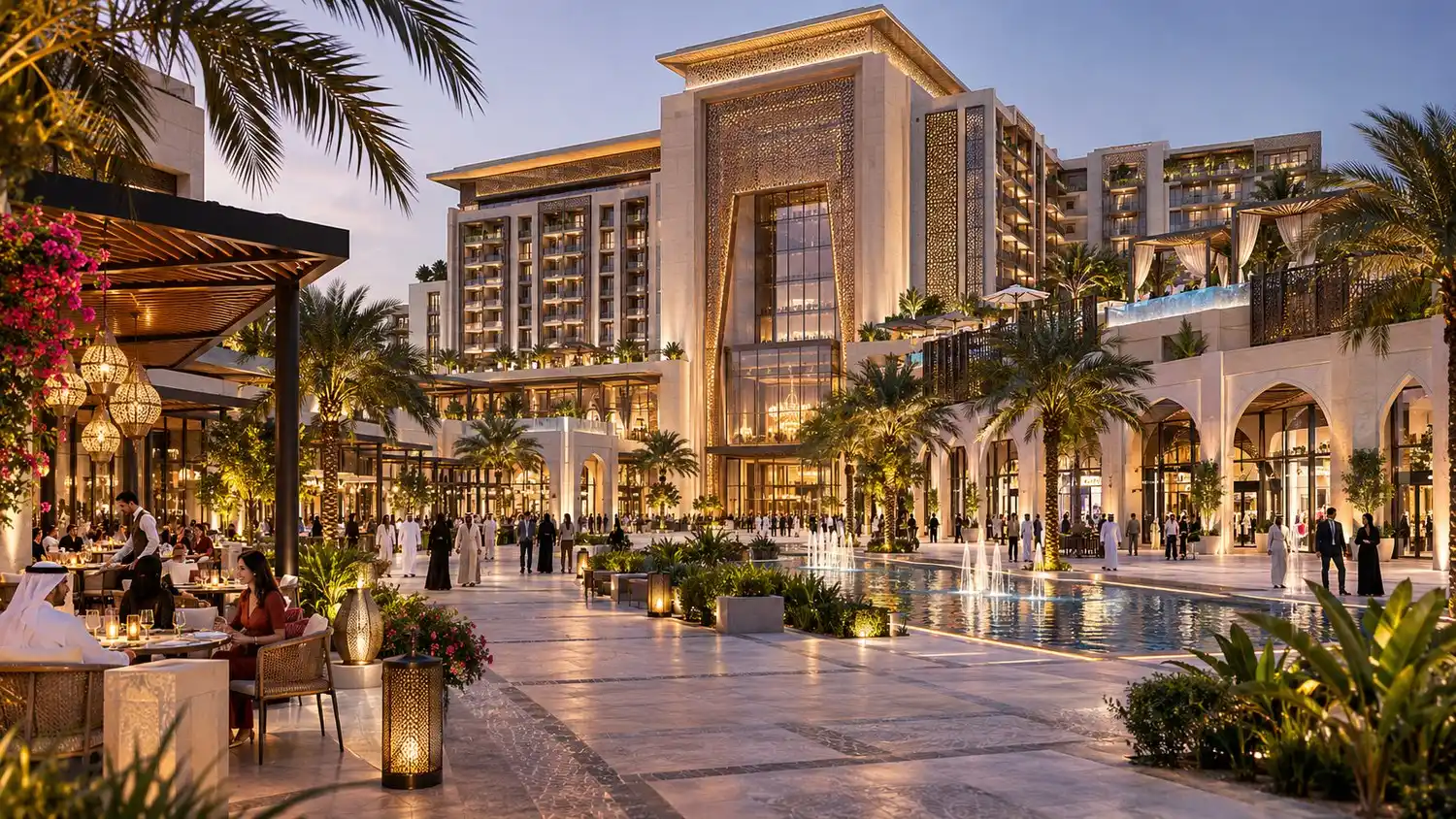
The art of hosting
Places to share, spaces of one's own.
True hospitality is expressed across all spaces.
Lounges, library, suites, restaurants and terraces support different rhythms of stay. Every space connects private comfort with life in the territory.
Services, dining and operational functions organized according to each property's programme.
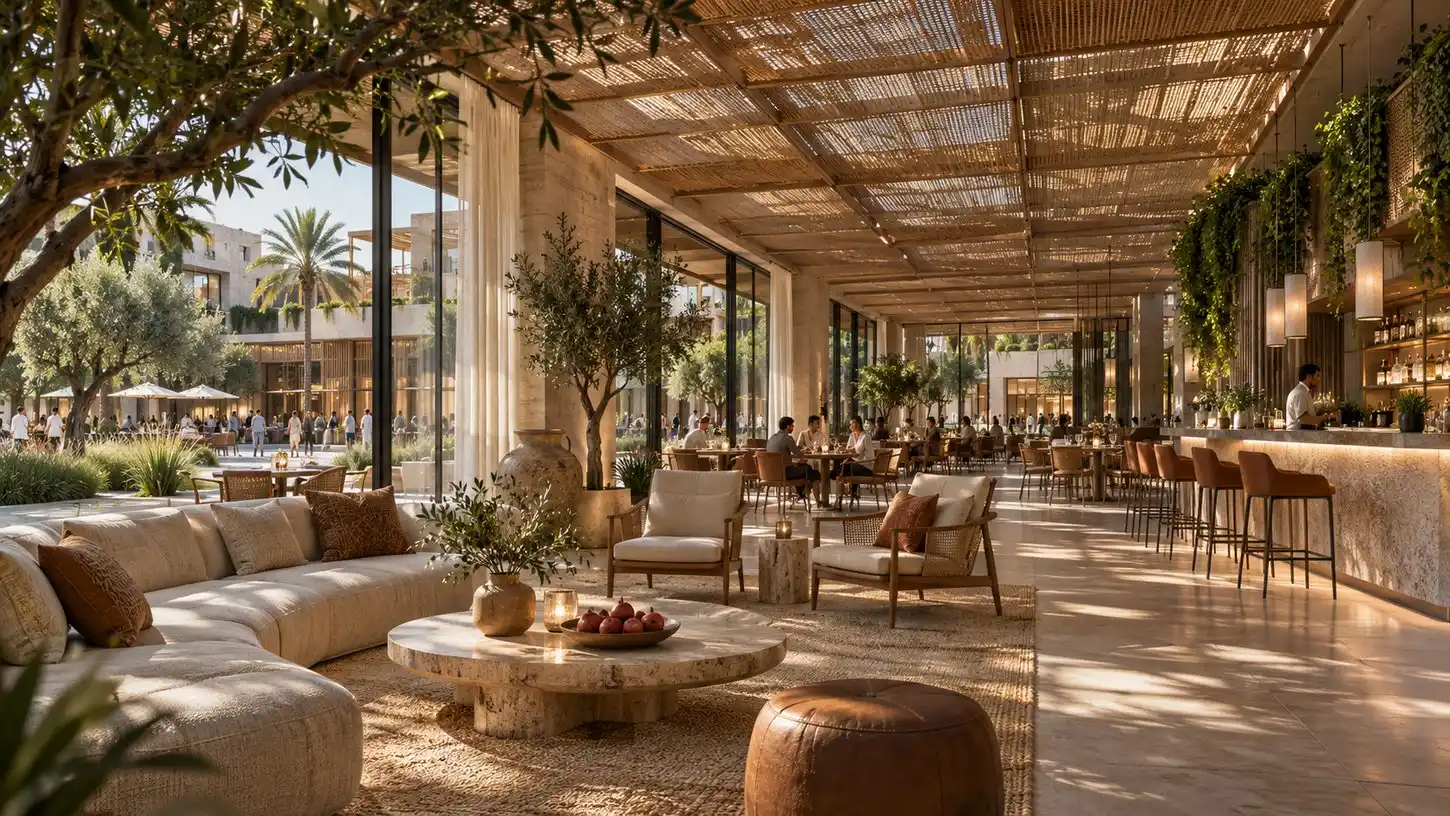
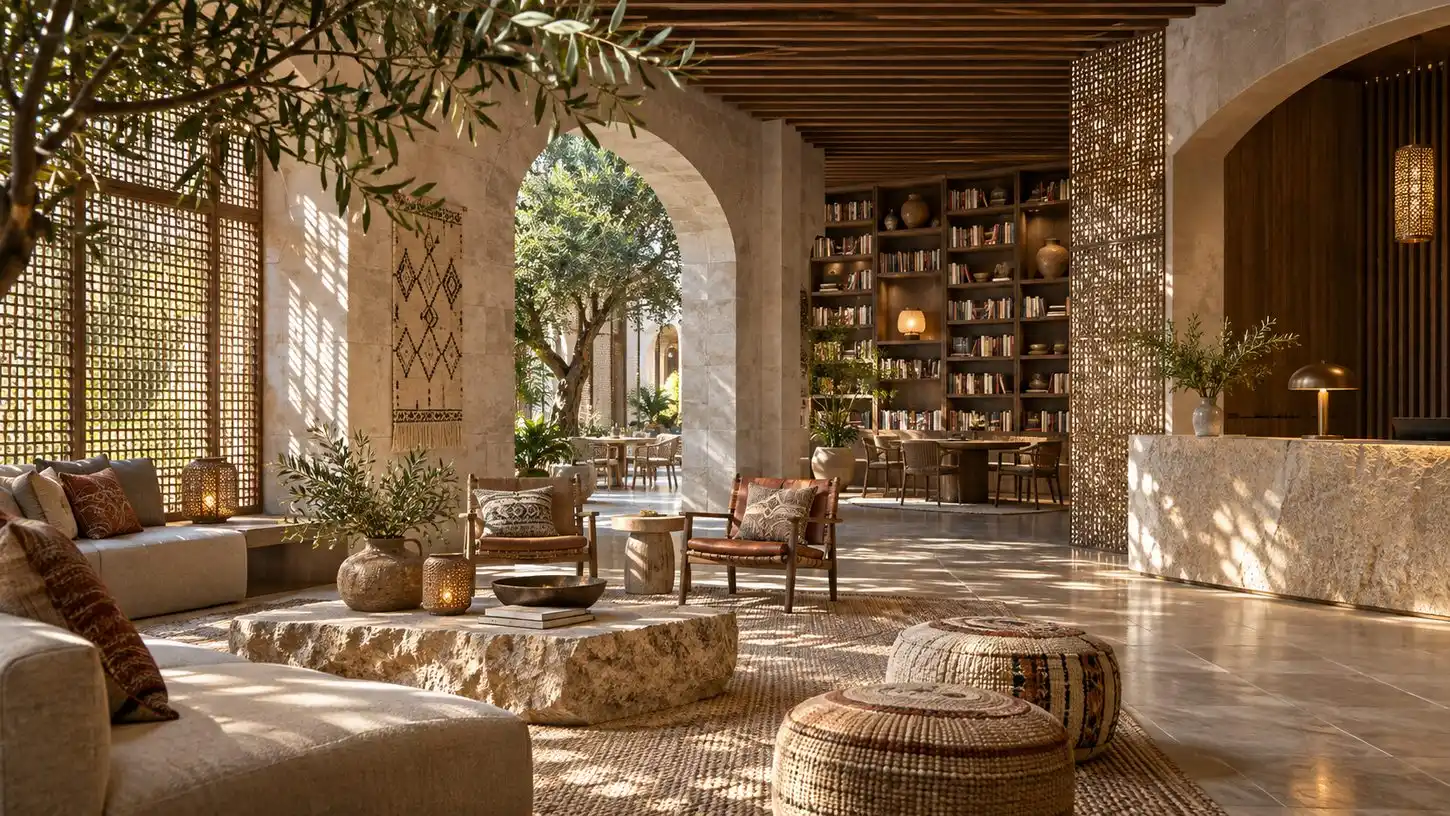
Engagement:
fully inhabiting the territory.
EPTT enables a living relationship with people, cultures, gastronomy, public spaces and the rhythms of a place.
Hospitality that takes part
The restaurant, terraces and shared spaces welcome guests and local residents alike.
The relationship with the neighbourhood, coast or urban centre is expressed in the property's daily life.
Every guest's freedom
The experience rests on the freedom to participate, observe, discover or preserve privacy.
Architecture clearly and comfortably connects public spaces, shared areas and private accommodation.
An already designed system
before the real estate project.
EPTT provides three pre-established typologies and professional references for land assessment, programming and design.
Choose in dialogue with the territory
Urban responds to neighbourhood life, Coastal to the climate and coastal uses, Mixed-Use to a centre combining several functions.
Project capacity and form adapt to the actual site or building characteristics.
Develop from the corpus
Accommodation programmes, architectural principles, service organization, operator compatibility and economic frameworks provide a shared foundation.
Teams apply these references to the site's context and the investor's decisions.
Assess the site
Study the territory, environment, access and hospitality potential.
Define the programme
Connect accommodation, dining, public spaces and services.
Validate development
Coordinate design, operations, investment and decisions.
An already structured
real estate and hospitality approach.
Land and typology
The site and territory guide capacity, programming and the chosen real estate configuration.
Programme and CAPEX
The layout of buildings, public spaces, access and facilities guides investment.
Operations and OPEX
Circulation, back of house, maintenance and services are organized from the first decisions.
Dining and revenues
Restaurants and venues open to local clients may complement accommodation revenues.
Branded residences
An optional component may contribute to the real estate structure, within each typology's limits.
Team coordination
Shared references connect investors, designers, operators and economic development.
EPTT's value
begins before construction.
A complete institutional system connects identity, typologies, territory, architecture, operations and economics.
Doctrine and three typologies
The Condition of Life of Engagement, Urban, Coastal and Mixed-Use typologies, their capacities and configurations are already defined.
Territory and design
Selection frameworks, area schedules, architectural and interior references and configurations guide application to the site.
Operations and governance
Operational references, operator compatibility and control and validation mechanisms structure decisions.
Economics and development
Economic and financial frameworks and development models are available as references, then refined for the specific asset and market.